
Feedback
AI Ad Video Example
Loading...
MiniMax H3 prompt
Master the MiniMax H3 prompt approach: sequence timed shots, direct camera moves, and control audio cues to produce 2K video with built-in stereo sound.
All Tools
Discover our comprehensive AI-powered animation toolkit
MiniMax H3
MiniMax H3 AI Video Generator
Seedance 2.5
The Future of AI Video Is Here.
Seedance 2.0
The Future of AI Video Is Here.
FLUX 3 Video Generator
Kling 3.0
Next-Gen AI Video Generator
Grok Video Generator
Create Videos from Text or Images with AI
MiniMax H3 video generator
MiniMax H3 AI Video Generator
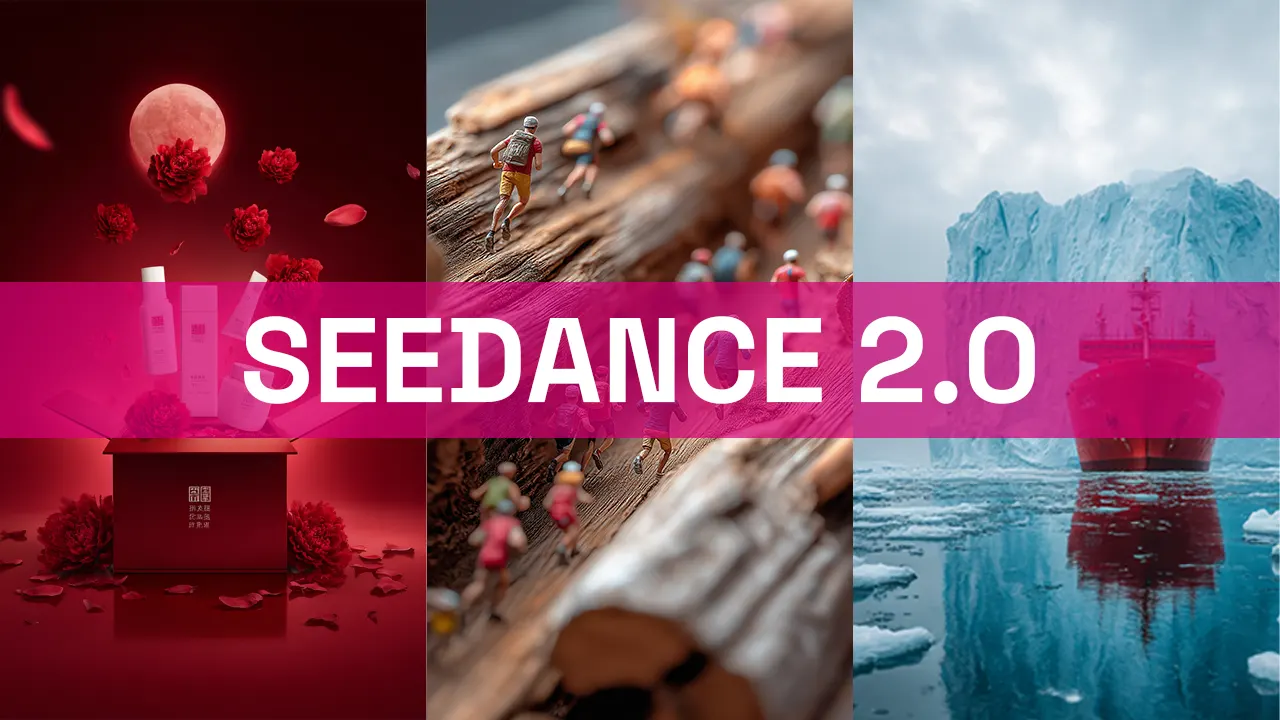
Seedance 2.0
The Future of AI Video Is Here.
The Payoff of Mastering the MiniMax H3 Prompt
The MiniMax H3 prompt guide equips you to write highly structured prompts for an open-weight multimodal video model that delivers 5-15 second, 2K, 24fps clips with integrated stereo audio. With up to 7,000 characters at your disposal, you can define what each reference asset contributes, lay out timing-based shot sequences, control camera and sound direction, and keep identity stable across every scene — all within a single request.
- Defining Roles for Reference InputsThe most effective habit from the MiniMax H3 prompt guide is telling the model exactly what each uploaded image, video clip, or audio file is for — whether it sets the mood, represents the talent, displays the product, establishes a style, or provides the voice.
- Sequencing Shots with Precise TimestampsYou can split a multi-action scene into windows like [0-2s] and [2-4s] inside one MiniMax H3 prompt, which eliminates the flat, slide-show effect and gives your video a natural narrative flow.
- Directing Sound with Cinematic AuthorityJust as you guide visuals, you can shape music composition, sound effects, and voice replication in the MiniMax H3 prompt — right down to the sub-bass, hi-hats, foley details, and exact dialogue placement.
A Practical Process for Building Your MiniMax H3 Prompt
Follow this step-by-step method to craft a professional MiniMax H3 prompt that produces 2K clips with audio perfectly in sync.
Core Techniques for the MiniMax H3 Prompt
A set of eight powerful practices from the MiniMax H3 prompt guide — reference roles, timestamped shot sequences, audio direction, negative constraints, identity locking, edit pairing, movie vocabulary, and event-driven transitions — for accurate, high-end video generation.
Guiding the Model with Exclusions
This approach teaches you how to state what should not appear — 'avoid gentle fades', 'skip distorted text', 'no sudden scares' — so the MiniMax H3 prompt keeps the result clean and on-target.
Consistency Through Feature Locking
List the essential attributes of people, items, or backgrounds — such as hairstyle, clothing, accessories, and text style — within the MiniMax H3 prompt to keep them looking the same from shot to shot.
Pairing Edits with Stability Rules
When modifying existing footage, tell the MiniMax H3 prompt which parts must remain unchanged alongside what you want replaced, so you get targeted edits rather than a full redo.
Using Filmmaking Vocabulary
Incorporate framing, lens effects, exposure, and analog qualities — such as shaky camera movement, focus shifts, wide-lens artifacts, or grainy footage — directly into the MiniMax H3 prompt.
Describing Cuts as Real-World Actions
Rather than calling out transition names, describe how the camera moves or the light changes — a quick pan, blur, light streaks, or a strobe-like flash — to get more natural joins in the MiniMax H3 prompt.
Complete Control with Long Prompts
You can compress an entire production script — visuals, timings, sound, and limitations — into a single MiniMax H3 prompt of up to 7,000 characters.
MiniMax H3 Prompt: Frequently Asked Questions
Answers to common questions about crafting prompts that get the most out of the MiniMax H3 video model.
What exactly is the MiniMax H3 prompt method?
It’s a collection of proven techniques for getting the most out of MiniMax’s open-weight, multimodal video model. A well-crafted MiniMax H3 prompt includes assigning roles to references, using timed shot sequences, directing audio, setting negative constraints, maintaining identity, and applying cinematic language — all leading to 2K output with native stereo sound.
What is the maximum prompt length?
Prompt capacity reaches 7,000 characters, which is plenty for a full scene breakdown with timed actions, camera movements, audio cues, and limits in a single MiniMax H3 prompt.
How should I manage several reference inputs at once?
Give each uploaded file a defined purpose within the MiniMax H3 prompt, for example 'Image 1 sets the mood, Image 2 shows the talent, Audio 1 provides the voice.' The model supports up to 9 pictures, 3 video snippets, and 3 sound files per generation.
Is it necessary to include sound details in the prompt?
Absolutely — handle audio as carefully as the visuals. In your MiniMax H3 prompt, specify the musical arrangement, when instruments come in, background effects, and spoken lines, so the built-in audio works in sync with the cut.
What’s the best way to maintain character consistency?
Fix identity by spelling out stable visual markers — hairstyle, clothing, accessories, and locations — within the MiniMax H3 prompt, and make sure they stay unchanged across every timed interval and edit.
Which mistakes should I steer clear of when writing a prompt?
Avoid slow, disconnected sequences and styles you don’t want. Use clearly timed segments rather than a string of still frames, and provide negative instructions inside the MiniMax H3 prompt to block what you want to exclude.
Kick Off Your MiniMax H3 Prompt Journey Today
Produce 2K videos with integrated stereo audio by applying the MiniMax H3 prompt framework — defined asset roles, timestamped camera cues, cinematic phrasing, and exact sound directions in a single prompt.